Early detection of post-operative complications is essential for the success of any hair transplant clinic. Daily photo tracking allows staff to monitor patient healing remotely, catch issues early, and intervene before minor problems become serious.
Post-operative complications such as infections, graft dislodgement, or excessive inflammation can occur even with proper care. Identifying these issues early allows clinics to act quickly, reducing the risk of long-term damage and ensuring optimal results for patients.
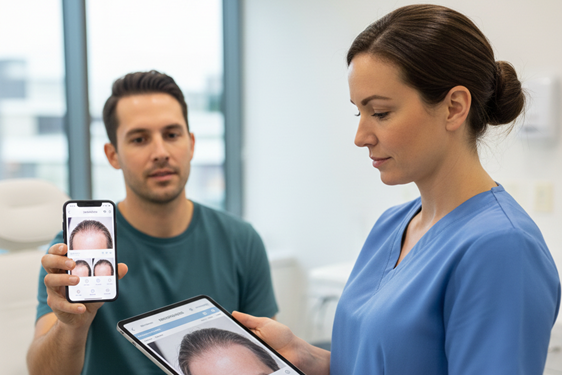
By having patients submit daily photos of their transplanted area, clinics can monitor healing progress without requiring constant in-person visits. This method allows:
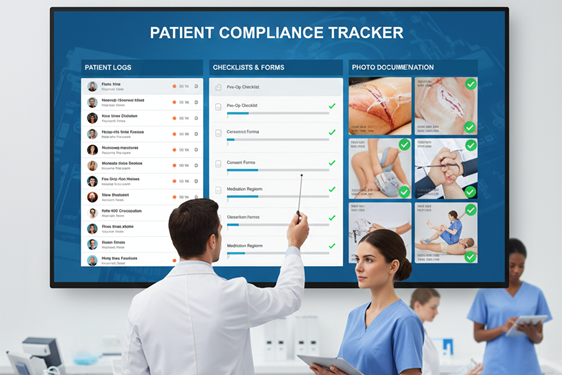
Daily photo tracking minimizes the need for phone calls or walk-in visits for routine checks. Nurses can focus on cases that require attention, and administrative staff can manage communications efficiently.
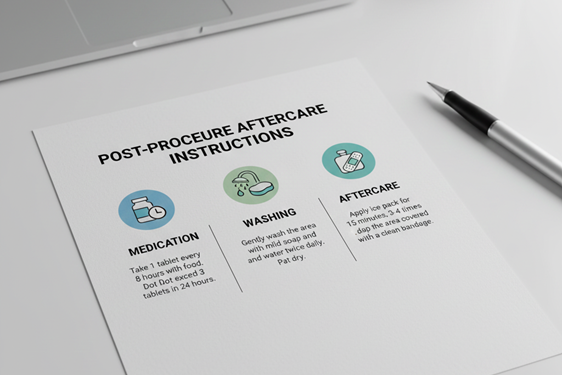
Provide patients with clear guidelines for taking consistent, high-quality photos. Recommend lighting, angles, and frequency. Combine photos with short questionnaires about pain, redness, or discomfort for a complete remote assessment.
In summary, early detection of post-op complications using daily photo tracking improves patient safety, ensures better surgical outcomes, and streamlines clinic operations. Implementing a structured remote monitoring system benefits both patients and staff by keeping everyone informed and proactive.