Hair transplants are a popular solution for hair loss, and many patients wonder if grey hair can be transplanted, how it will age, and whether they can dye their hair post-procedure. This guide answers these common concerns to help you make an informed decision.
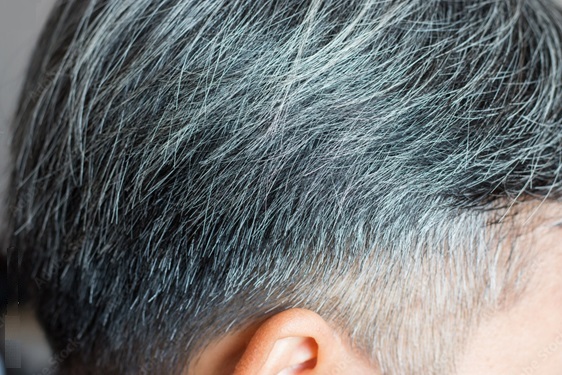
Yes, grey hair can be successfully transplanted. The process of hair transplantation focuses on moving healthy hair follicles from the donor area (typically the back or sides of the head) to the recipient area. Hair color does not affect the viability of the follicles. As long as the grey hair is healthy and growing, it can be transplanted just like pigmented hair.
Transplanted grey hair will age naturally along with the rest of your hair. If your donor area has hair that is already grey or turning grey, the transplanted hair will retain the same characteristics. Over time, if your natural hair continues to grey, the transplanted hair will follow suit. The process does not reverse or accelerate greying but maintains the natural pattern of your hair growth.
Yes, you can dye your hair after a transplant, but it is important to wait until your scalp has fully healed. Most clinics recommend waiting at least 4-6 months before using hair dye to ensure the grafts are secure and your skin is no longer sensitive. Always opt for gentle, ammonia-free dyes to minimize irritation, and consider consulting a professional hairstylist for the best results.
Whether you have grey hair or are transitioning to it, hair transplants are an effective solution to restore density and confidence. With proper care and guidance, your transplanted hair can age gracefully, blend naturally, and adapt to your styling preferences, including coloring. Always consult your surgeon for personalized advice on post-transplant care and maintenance.