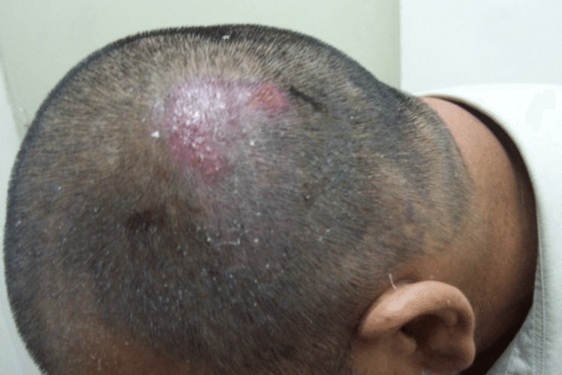
While hair transplant surgery is generally safe, infections can occasionally occur if proper aftercare measures are not followed. This article explores how to prevent infections, recognize their symptoms, and treat them effectively without compromising your results.
How to Prevent Infections After a Hair Transplant
- Follow the surgeon's instructions: Stick to the aftercare routine provided by your clinic, including washing and moisturizing your scalp as recommended.
- Keep the area clean: Avoid touching your scalp with dirty hands and refrain from picking at scabs.
- Avoid crowded places: Stay away from environments where your scalp might come into contact with bacteria, such as public pools or gyms.
- Take prescribed antibiotics: If your surgeon prescribes antibiotics as a precaution, complete the full course to prevent bacterial infections.
Recognizing the Signs of an Infection
Early detection of an infection is key to preventing complications. Look out for the following symptoms:
- Redness and swelling: While mild redness is normal, significant or spreading redness may indicate infection.
- Persistent pain: Discomfort beyond the first few days or worsening pain could be a warning sign.
- Discharge: Yellow, green, or foul-smelling fluid from the transplant area suggests infection.
- Fever: An elevated temperature or chills might indicate a systemic infection requiring immediate medical attention.
Treating Infections and Promoting Healing
If you suspect an infection, consult your surgeon promptly. Treatment may include:
- Antibiotics: Oral or topical antibiotics can target the infection and prevent it from spreading.
- Cleaning: Your surgeon might recommend cleaning the area with an antiseptic solution.
- Medications: Anti-inflammatory drugs may be prescribed to reduce swelling and pain.
- Follow-up care: Regular check-ins with your surgeon ensure proper healing.
Does an Infection Ruin Your Hair Transplant?
An infection does not necessarily ruin your hair transplant if treated promptly and correctly. Severe infections may damage some grafts, but in most cases, the overall results remain unaffected. Your surgeon may evaluate the impact and suggest touch-up procedures if needed. Proper aftercare significantly reduces the risk of complications and supports successful recovery.
By staying vigilant and maintaining good hygiene, you can minimize the risk of infection after a hair transplant. Promptly addressing any signs of infection ensures that your procedure delivers the desired results while safeguarding your health.