After a hair transplant, it's normal to experience some side effects such as swelling, itching, and unusual scalp sensations. While these symptoms are temporary, managing them properly can ensure a smooth recovery and protect your grafts. Here's how to effectively address these common post-surgery effects.
Common Side Effects and Their Causes
- Swelling: Caused by fluid retention and inflammation, typically around the forehead and eyes.
- Itching: Results from the healing process and dryness of the scalp.
- Scalp Sensation Changes: Tingling, numbness, or tightness due to nerve regeneration and healing.
How to Manage Swelling
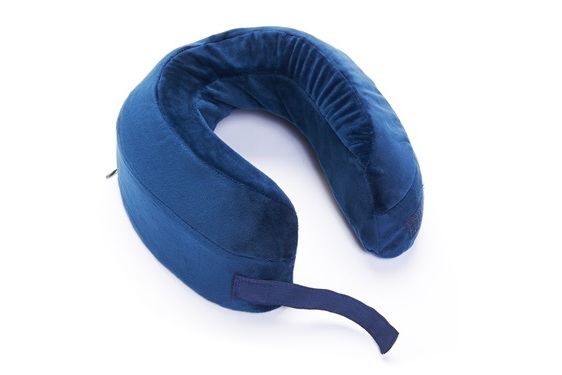
- Keep Your Head Elevated: Sleep in a semi-seated position for the first few nights to reduce fluid buildup.
- Apply Cold Compresses: Place a cold pack on your forehead (not the graft area) for 10-15 minutes at a time to reduce swelling.
- Stay Hydrated: Drink plenty of water to help flush out excess fluids and toxins.
- Follow Medications: Take anti-inflammatory medications prescribed by your doctor to alleviate swelling.
How to Relieve Itching
- Moisturize the Scalp: Use the clinic-recommended moisturizing spray to prevent dryness.
- Avoid Scratching: Refrain from touching or rubbing the graft area, as it could dislodge grafts.
- Use Recommended Shampoo: Wash your hair gently with the prescribed shampoo to reduce irritation.
- Take Antihistamines: If itching persists, ask your doctor about taking an over-the-counter antihistamine.
Addressing Scalp Sensation Changes
- Be Patient: Numbness and tingling are part of the healing process and typically resolve within a few weeks.
- Massage (When Allowed): Light scalp massages may help improve circulation, but only start when approved by your clinic.
- Follow Up with Your Doctor: If sensations persist beyond the typical recovery period, consult your clinic for advice.
When to Seek Medical Advice
While mild side effects are normal, consult your doctor immediately if you notice excessive swelling, severe itching, or unusual scalp pain. Early intervention can prevent complications and ensure a smooth recovery.
Managing post-transplant side effects is essential for a comfortable recovery and optimal results. Always adhere to your clinic's recommendations and take the necessary precautions to protect your new hair grafts.