Poor post-operative communication can quietly undermine the success of a hair transplant clinic. Beyond patient dissatisfaction, ineffective follow-up can lead to complications, increased staff workload, and damage to your clinic’s reputation.
When patients do not receive clear instructions or timely responses after surgery, anxiety increases. This can lead to unnecessary calls, messages, and emails, distracting staff and creating a negative patient experience.
Nurses and coordinators spend extra hours managing avoidable questions and follow-ups. This reduces time for critical tasks, increases fatigue, and can result in burnout among staff members.
Patients who feel neglected or confused are more likely to leave negative reviews, share poor experiences online, and dissuade potential new clients. Effective communication is critical to maintaining trust and a strong reputation.
Misunderstandings about care routines, medication, or activity restrictions can result in graft loss, infection, or delayed healing. These complications lead to additional treatments, refunds, or corrective procedures, all of which increase costs for the clinic.
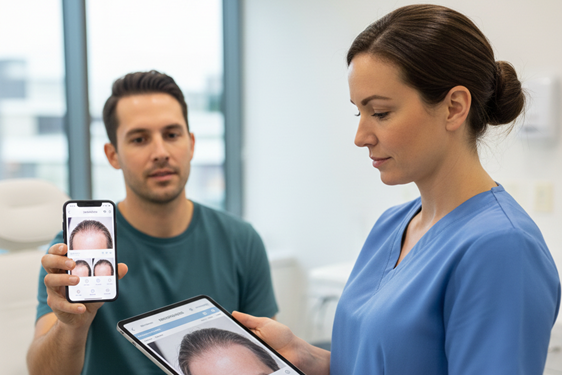
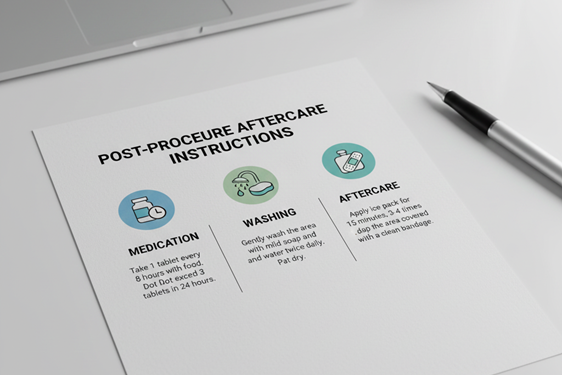
Structured follow-up systems, clear written instructions, and digital communication tools help reduce unnecessary messages, prevent complications, and enhance patient satisfaction. Investing in proactive communication pays off by saving staff time and protecting your clinic’s reputation.
In conclusion, the hidden costs of poor post-operative communication extend beyond patient frustration. By implementing clear, structured, and proactive follow-up practices, clinics can reduce unnecessary workload, avoid complications, and maintain a high level of patient trust and satisfaction.