For hair transplant and plastic surgery clinics, the procedure itself is only part of the patient journey. What patients remember most, talk about, and review online is often their post-operative experience. This phase quietly but powerfully defines your clinic’s reputation.
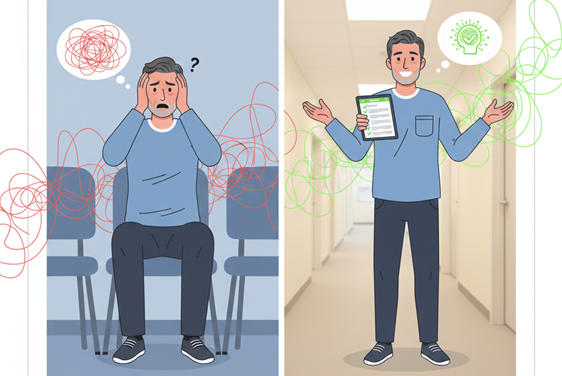
Once the patient leaves the clinic, anxiety often peaks. Normal symptoms like redness, swelling, or scabbing can feel alarming without proper context. If patients feel unsupported during this phase, even a technically perfect procedure can be perceived negatively.
Post-op care is not only medical, it is emotional. Patients seek reassurance that what they are experiencing is normal and that someone is paying attention to their progress. Clinics that fail to address this emotional need risk losing patient trust.
Most negative reviews do not come from surgical complications, but from poor communication. Slow responses, unclear instructions, or feeling ignored are common triggers for bad feedback. Conversely, proactive follow-up often turns anxious patients into vocal advocates for your clinic.
A standardized post-operative experience ensures every patient receives the same level of care, regardless of staff workload or clinic size. This consistency reinforces professionalism and signals that the clinic is well-organized and patient-focused.
A strong post-op experience reduces complaints, increases positive reviews, and drives word-of-mouth referrals. Clinics that invest in this phase do not just improve outcomes, they strengthen their brand.
In conclusion, your clinic’s reputation is shaped less by what happens in the operating room and more by how patients feel during recovery. By delivering a calm, structured, and supportive post-operative experience, clinics can protect their reputation and stand out in an increasingly competitive market.